Understanding the Link Between Weight and Sleep Apnea
Sleep apnea is one of the most common yet misunderstood sleep disorders worldwide. It causes repeated pauses in breathing during sleep, often leading to loud snoring, daytime fatigue, and other health complications. While treatments like CPAP therapy are widely used, many experts suggest that weight loss could be a key factor in reducing — or even curing — sleep apnea symptoms.
But can shedding a few kilos really make such a big difference? Let’s explore what the science says and what doctors recommend.
What Is Sleep Apnea?
Sleep apnea is a disorder where your airway becomes blocked or collapses during sleep, disrupting normal breathing. The most common type, obstructive sleep apnea (OSA), occurs when the soft tissues in the throat relax excessively, obstructing airflow.
Common symptoms include:
Loud, chronic snoring
Gasping or choking during sleep
Morning headaches
Difficulty concentrating during the day
Persistent tiredness even after a full night’s rest
These symptoms are not just inconvenient — they can lead to serious health risks if left untreated.
The Role of Weight in Sleep Apnea
Excess body weight is one of the most significant risk factors for obstructive sleep apnea. Fat deposits around the upper airway can narrow the space available for airflow, making it easier for the throat to collapse during sleep.
According to experts, obesity increases the risk of OSA by up to 50%, especially among individuals with a body mass index (BMI) above 30. The more fat stored around the neck and chest, the greater the pressure on the airway.
Can Weight Loss Cure Sleep Apnea Completely?
Here’s the short answer: weight loss can dramatically improve — and in some cases, eliminate — sleep apnea symptoms, but it doesn’t guarantee a full cure for everyone.
How Weight Loss Helps:
Reduces fat around the airway: This helps keep breathing passages open during sleep.
Lowers inflammation: Excess fat tissue releases inflammatory substances that can worsen airway swelling.
Improves oxygen flow: With less pressure on the diaphragm and lungs, breathing becomes easier and more efficient.
Studies have shown that a 10–15% reduction in body weight can lead to a 30–50% improvement in sleep apnea severity. In some cases, mild sleep apnea disappears entirely after sustained weight loss.
However, not all sleep apnea cases are weight-related. Structural factors such as small jaw size, nasal blockages, or enlarged tonsils can also cause airway obstruction — even in individuals with normal body weight.
What the Experts Say
Sleep specialists emphasize that while weight loss is a crucial step, it should be part of a comprehensive treatment plan rather than the only strategy.
“Losing weight can significantly reduce the severity of sleep apnea,” says Dr. Sarah Mitchell, a sleep medicine expert. “But patients should continue CPAP therapy or other medical treatments until their condition is fully evaluated after weight reduction.”
In other words, weight loss helps manage the condition but doesn’t automatically replace medical treatment.
Other Effective Sleep Apnea Treatments
If you’re working on weight loss but still struggling with symptoms, don’t lose hope. Several proven treatments can help you sleep — and breathe — better:
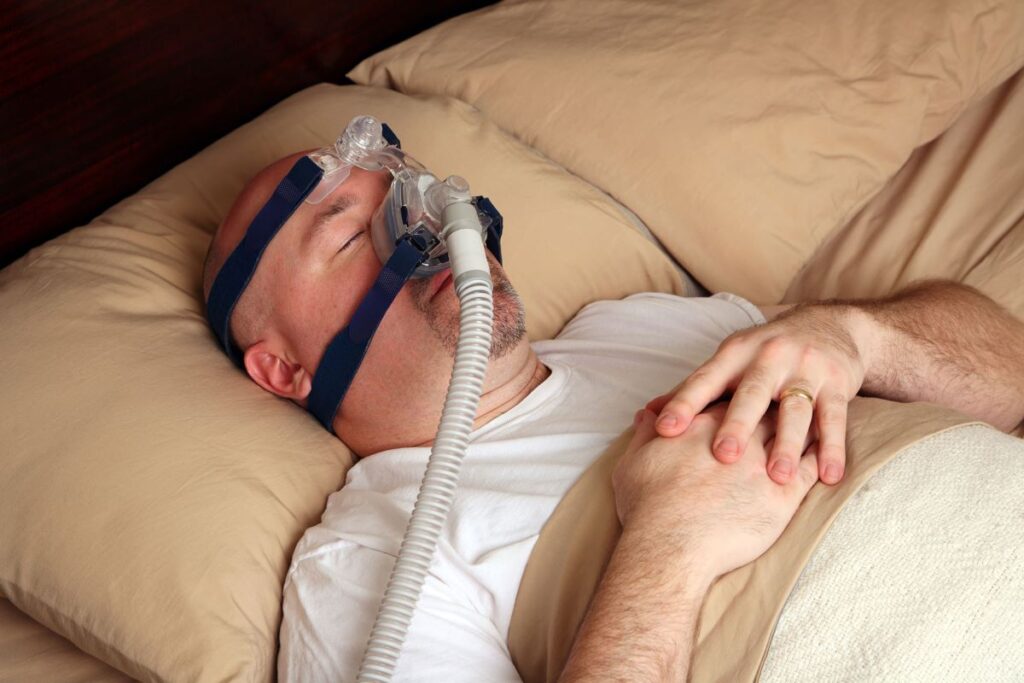
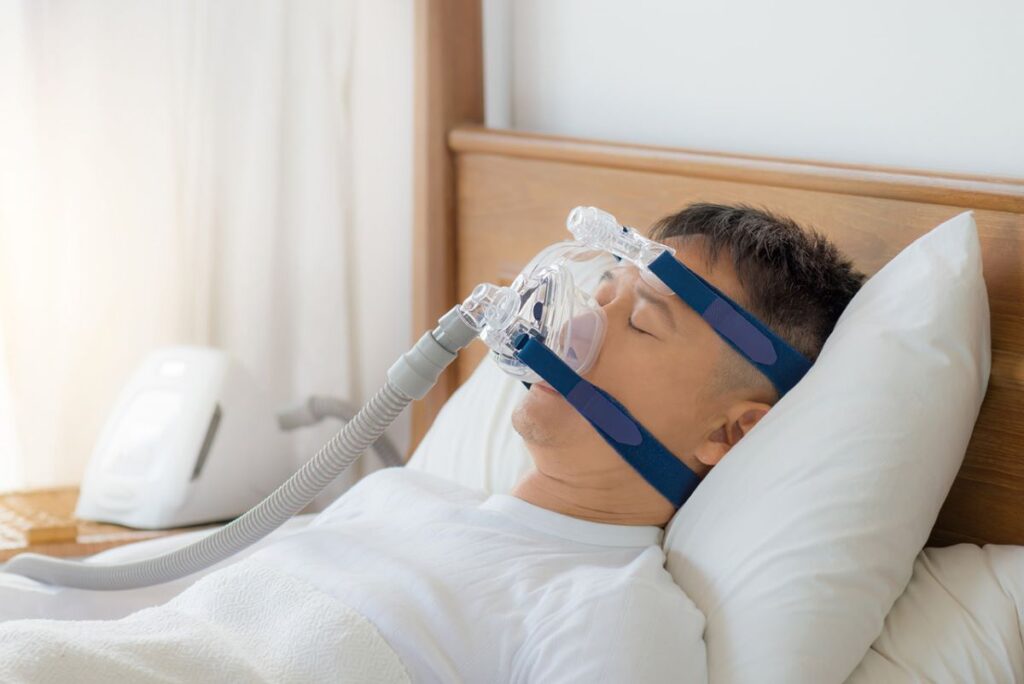
The most common treatment for moderate to severe sleep apnea. It uses a machine that delivers a constant stream of air through a mask, keeping your airway open all night.
2. Oral Appliances
Custom-fitted mouthpieces can reposition the jaw and tongue to prevent airway collapse. They are effective for mild to moderate cases.
3. Lifestyle Adjustments
Avoid alcohol and sedatives before bedtime
Sleep on your side instead of your back
Maintain a consistent sleep schedule
Exercise regularly to improve lung function and metabolism
4. Surgery
In rare or severe cases, surgical procedures may be recommended to remove tissue or correct structural issues in the throat or nose.
The Long-Term Benefits of Weight Loss on Sleep Health
Aside from reducing sleep apnea symptoms, losing weight can improve overall sleep quality and daytime alertness. It also lowers the risk of developing heart disease, diabetes, and high blood pressure, which are commonly linked with untreated sleep apnea.
In many patients, even modest weight reduction can lead to:
Fewer breathing interruptions at night
Lower snoring intensity
Better mood and energy levels
Improved CPAP therapy effectiveness
How to Start Your Weight Loss Journey Safely
If your goal is to improve your sleep health through weight loss, start by consulting both a sleep specialist and a nutrition professional. They can help you design a realistic plan that includes:
Balanced diet: Focus on whole foods, lean proteins, and reduced sugars
Regular exercise: Include both cardio and strength training
Sleep-friendly habits: Avoid screens before bedtime, reduce caffeine, and prioritize relaxation
Remember, the goal is sustainable progress — not crash dieting. A steady, healthy approach benefits both your weight and your sleep quality.
Conclusion: Weight Loss Is a Game-Changer, Not a Magic Cure
While weight loss can greatly reduce the severity of sleep apnea, it’s not a guaranteed cure. Every person’s anatomy and medical background are unique, meaning ongoing treatment and monitoring are still essential.
If you suspect you have sleep apnea — or still feel exhausted after a full night’s sleep — speak to a sleep specialist. Getting a professional diagnosis is the first step toward better rest and a healthier, more energetic life.
FAQS
Can losing weight completely cure sleep apnea?
Weight loss can significantly improve sleep apnea symptoms by reducing fat around the throat and improving airflow. In some mild cases, it may even resolve the condition. However, structural or genetic factors may still cause apnea, meaning medical treatment remains necessary for many individuals.
How much weight do I need to lose to see results?
Even a modest 10–15% reduction in body weight can lead to noticeable improvements in sleep apnea severity. Results vary depending on the individual’s anatomy, sleep habits, and the underlying causes of the disorder.
Can I stop using my CPAP machine after losing weight?
You should only stop CPAP therapy under medical supervision. Even if weight loss improves your symptoms, your doctor will likely recommend a follow-up sleep study to confirm whether it’s safe to discontinue CPAP use.
What if I’m not overweight but still have sleep apnea?
Not all sleep apnea cases are caused by excess weight. Structural issues like narrow airways, nasal blockages, or enlarged tonsils can also trigger apnea, regardless of body size. A sleep specialist can identify the exact cause and recommend appropriate treatment.
What Is Sleep Apnea and How Does It Affect Health?
Sleep apnea is a serious sleep disorder where your breathing repeatedly stops and starts throughout the night. Obstructive sleep apnea, the most common form, occurs when throat muscles relax excessively during sleep, causing the soft tissue to collapse and block your airway. This airway obstruction forces your brain to wake you briefly to restore normal breathing, creating a cycle that can repeat hundreds of times per night.
The obstructive sleep apnea symptoms extend far beyond simple snoring. You may experience:
Chronic fatigue despite spending adequate time in bed
Morning headaches and dry mouth
Difficulty concentrating during daytime activities
Irritability and mood changes
Frequent night-time urination
Fragmented sleep from these breathing interruptions prevents you from reaching the deep, restorative sleep stages your body requires. This disruption creates a cascade of health risks that affect multiple body systems.
Effects on Cardiovascular Health
Your cardiovascular system bears significant strain from sleep apnea. The repeated drops in blood oxygen levels force your heart to work harder, increasing your risk of high blood pressure, heart disease, and stroke. The condition also contributes to insulin resistance, potentially leading to type 2 diabetes.
Impact on Daytime Functioning
Daytime impairment becomes particularly dangerous when it affects your ability to drive safely or perform work tasks requiring concentration. Many people don’t realise their persistent tiredness stems from undiagnosed sleep apnea rather than simply poor sleep habits.
Why Is Early Diagnosis of Sleep Apnea Important?
Early diagnosis benefits extend far beyond simply identifying a sleep disorder. When you catch sleep apnea in its initial stages, you prevent a cascade of serious health complications that can develop over time. Untreated sleep apnea increases your risk of heart disease, stroke, diabetes, and high blood pressure – conditions that become increasingly difficult to manage as they progress.
The Role of Sleep Studies in Diagnosis
A comprehensive Sleep Apnea Test Canberra serves as the cornerstone of accurate diagnosis, providing detailed insights into your breathing patterns, oxygen levels, and sleep architecture. These diagnostic assessments capture critical data that clinical observations alone cannot detect, enabling healthcare professionals to determine the severity of your condition and develop targeted treatment strategies.
Immediate Benefits of Proper Diagnosis
The impact on your daily life becomes immediately apparent once proper diagnosis occurs. You’ll experience:
Enhanced cognitive function – improved memory, concentration, and decision-making abilities
Increased energy levels – reduced daytime fatigue and better productivity
Mood stabilisation – decreased irritability and reduced risk of depression
Better relationships – improved sleep quality for both you and your partner
Long-Term Advantages of Early Intervention
Quality of life improvement represents one of the most significant advantages of early intervention. When you address sleep apnea promptly, you maintain your cardiovascular health, preserve cognitive function, and avoid the progressive deterioration that characterises untreated cases. Your body’s natural healing processes work more effectively when you receive consistent, restorative sleep each night.
How Is Sleep Apnea Diagnosed in Canberra?
Air Liquide Healthcare sleep solutions have transformed the way sleep apnea is diagnosed in Canberra with their extensive home-based sleep studies Canberra program. This innovative approach allows you to undergo sleep testing in the comfort of your own bedroom, using advanced and non-invasive monitoring equipment that records your breathing patterns, oxygen levels, and sleep quality throughout the night.
How Does the Diagnostic Process Work?
The diagnostic process begins when you receive a compact monitoring device that you simply wear while sleeping at home. This device captures essential data including:
Airflow measurements through nasal sensors
Blood oxygen saturation levels
Chest and abdominal movement patterns
Heart rate variations during sleep
Body position changes
Who Interprets the Test Results?
Air Liquide Healthcare’s integrative approach ensures your test results are validated by qualified Sleep Physicians who work closely with local healthcare providers across Canberra. This collaboration guarantees accurate interpretation of your sleep study data and appropriate treatment recommendations tailored to your specific condition.
Understanding Sleep Apnea
It’s important to note that sleep apnea is not just a simple snoring issue; it is a serious health condition characterized by repeated interruptions in breathing during sleep. These interruptions can lead to a host of health issues if left untreated, making timely diagnosis and intervention crucial.
Is Sleep Apnea Diagnosis Covered by Insurance?
Medicare coverage for sleep tests makes diagnosis accessible for eligible patients, with diagnostic tests meeting MBS guidelines receiving rebates. Private health insurance may provide additional coverage depending on your policy specifics. The streamlined process eliminates lengthy waiting lists typically associated with hospital-based sleep laboratories while maintaining clinical accuracy standards.
When Can I Expect My Test Results?
You’ll receive comprehensive results analysis within days of completing your home study, allowing for prompt treatment initiation when sleep apnea is detected.
What Treatment Options Are Available for Sleep Apnea Patients in Canberra?
CPAP therapy Canberra services provide the primary treatment pathway for most sleep apnea patients. Air Liquide Healthcare facilitates comprehensive CPAP therapy initiation programmes through strategic partnerships with leading CPAP manufacturers. These programmes include:
Titration support to determine optimal pressure settings
Equipment selection tailored to individual patient needs
Initial setup assistance ensuring proper mask fitting and device operation
Ongoing monitoring to track therapy effectiveness
The therapy works by delivering continuous positive airway pressure, preventing airway collapse during sleep cycles.
Weight reduction – even modest weight loss can significantly reduce apnea severity
Alcohol limitation – particularly avoiding consumption within 4-6 hours of bedtime
Sleep position training – encouraging side sleeping over back sleeping
Smoking cessation – reducing airway inflammation and swelling
Alternative Treatment Approaches
Dental devices for sleep apnea offer viable alternatives for patients with mild to moderate OSA or those unable to tolerate CPAP therapy. These custom-fitted oral appliances reposition the jaw and tongue to maintain airway patency.
Surgical interventions remain available for specific cases where anatomical abnormalities contribute significantly to airway obstruction. Sleep physicians evaluate each patient’s suitability for these procedures based on individual anatomical factors and OSA severity.
Treatment selection depends on apnea severity, patient preferences, and medical history, with sleep specialists guiding optimal therapy choices.
How Does CPAP Therapy Work and What Support Is Offered?
CPAP therapy benefits stem from its fundamental mechanism of delivering continuous positive airway pressure through a mask worn during sleep. The device generates a steady stream of pressurised air that acts as a pneumatic splint, preventing the soft tissues in your throat from collapsing and blocking your airway. This constant air pressure maintains an open breathing passage throughout the night, eliminating the breathing interruptions characteristic of sleep apnoea.
The pressurised air flow creates a gentle but effective barrier against airway obstruction, allowing you to breathe naturally without the repeated wake-sleep cycles that fragment your rest. Modern CPAP machines automatically adjust pressure levels based on your breathing patterns, ensuring optimal treatment whilst maximising comfort. For more insight into how these auto-adjusting CPAP machines work and how they can solve common CPAP issues, you can refer to this detailed guide.
What Support Is Offered for CPAP Therapy?
Therapy guidance support Canberra patients receive extends far beyond the initial equipment setup. Air Liquide Healthcare’s comprehensive support programmes include:
Initial titration programmes that determine your optimal pressure settings through careful monitoring
24/7 technical support for troubleshooting equipment issues
Regular compliance monitoring to track your therapy effectiveness
Mask fitting consultations to ensure proper seal and comfort
Equipment maintenance guidance to extend device lifespan
Sleep specialists work closely with patients during the critical first months of therapy, addressing common challenges such as mask discomfort, air pressure adjustment, and developing consistent usage habits. This ongoing support significantly improves treatment compliance rates, with many patients experiencing dramatic improvements in sleep quality and daytime alertness within weeks of starting therapy.
What Are the Advantages of Home-Based Sleep Studies Compared to In-Lab Testing?
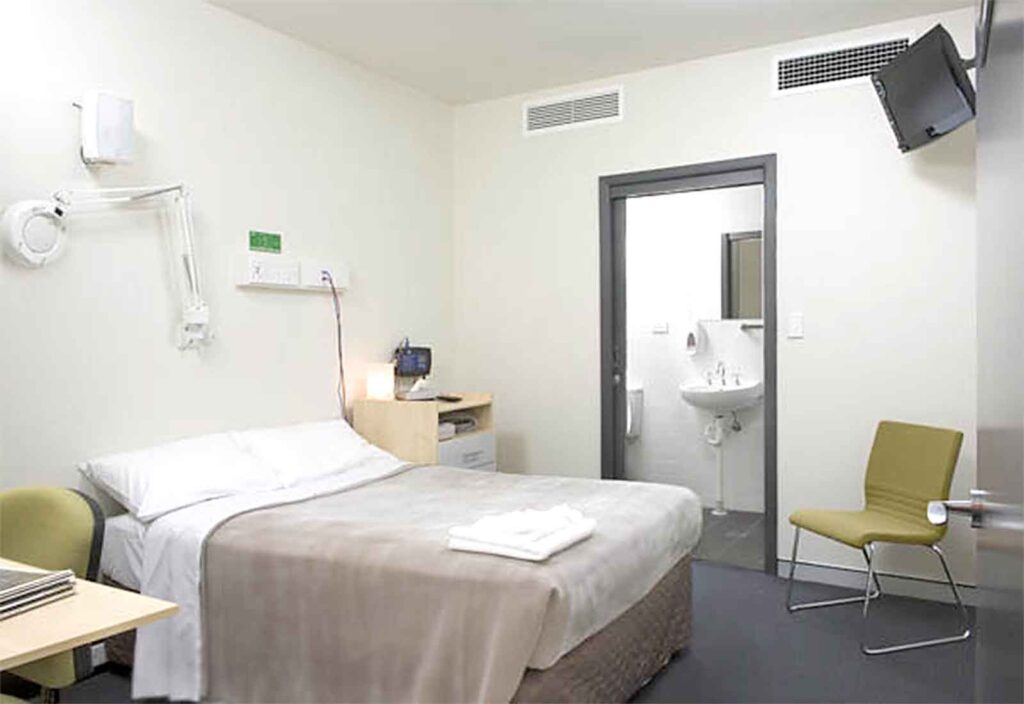
The advantages of home sleep studies for residents in Canberra come from the shift towards patient-centred care. You can have the test done in your own bedroom, which removes the stress and discomfort of sleeping in an unfamiliar clinical setting. This natural sleep environment leads to more accurate results, as you stick to your usual sleep habits and routines.
Comfort and Convenience
One of the main benefits of home sleep studies is the comfort and convenience they offer. With this type of testing, you can:
Sleep in your own bed
Follow your regular bedtime routine
Avoid the anxiety of sleeping in a strange place
These factors contribute to a more natural sleep experience, which can result in more reliable data.
Non-Invasive Testing
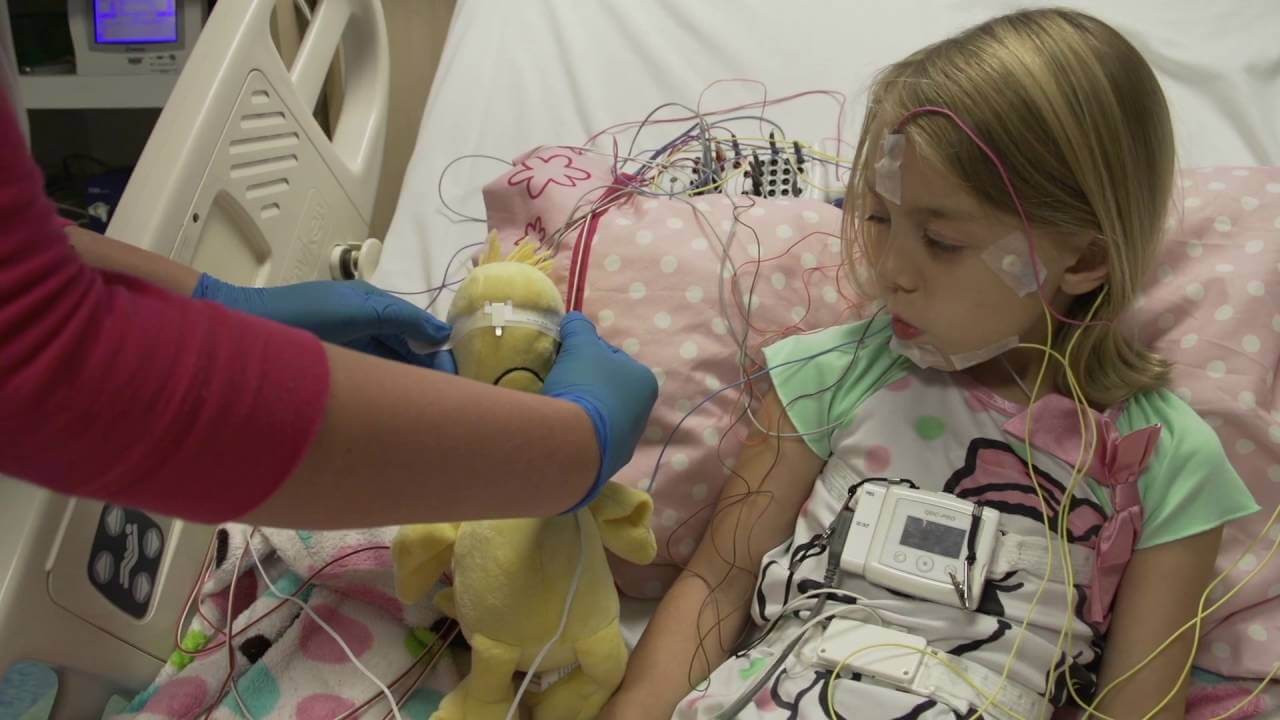
Home-based studies also have non-invasive testing benefits that go beyond comfort. Unlike traditional sleep laboratories that use multiple wires and sensors, home sleep studies require minimal equipment. Typically, you’ll only need a small recording device that tracks your breathing patterns, oxygen levels, and sleep position. This allows for greater freedom of movement during sleep, making it easier to replicate your normal sleeping habits.
Validated Accuracy
Sleep Physicians confirm the accuracy of home studies through Air Liquide Healthcare’s integrative approach. This validation process ensures reliable diagnoses while still prioritising convenience. The technology used in these studies captures key data points necessary for an accurate diagnosis of sleep apnea, which are then reviewed by qualified specialists.
Cost-Effectiveness
Another significant advantage for patients in Canberra is cost-effectiveness. Home sleep studies are eligible for Medicare rebates when they meet MBS guidelines, which means lower out-of-pocket expenses for you. Additionally, since there are no overnight facility costs involved, testing becomes more accessible to a wider range of patients.
Reduced Waiting Times
Compared to in-lab facilities, home sleep studies often have shorter waiting times. This means you can get tested and receive results more quickly.
Multiple Night Testing Options
If initial results from a home sleep study are inconclusive, there may be opportunities for multiple night testing. This flexibility allows for a more comprehensive assessment of your sleep patterns.
Immediate Equipment Return
With convenient collection services available, you can return the equipment used for your home sleep study immediately after completing the test. This streamlined process helps ensure timely analysis and reporting of results.
How Can Patients Access Sleep Apnea Services in Canberra?
Air Liquide Healthcare is Australia’s largest provider of home sleep apnea studies, offering comprehensive Sleep Apnea Test Canberra: Early Diagnosis and Treatment Options through their extensive network. You can access their services through several established brands operating across the region:
SNORE Australia – Specialising in sleep disorder diagnosis and treatment
Healthy Sleep Solutions – Comprehensive sleep health management
Mycroft – Advanced sleep study services
Complete Care – End-to-end patient support
Sleep Disorder Australia (SDCA) – Specialist sleep medicine services
Getting Started with Testing
You have two main options for accessing sleep apnea test Canberra services:
GP Referral Route: Your general practitioner can refer you directly to these local providers of OSA management services. This pathway often ensures Medicare coverage eligibility and streamlined coordination with your existing healthcare team.
Direct Contact: You can contact service providers directly to discuss your symptoms and testing requirements. Many providers offer initial consultations to determine the most appropriate testing approach for your situation.
The testing process usually begins with a thorough assessment of your symptoms and medical history. Sleep specialists then work with your chosen provider to arrange delivery of home-based testing equipment and provide setup instructions. You’ll receive detailed guidance on how to use the monitoring devices and schedule follow-up appointments for interpreting results and planning treatment.
These established networks ensure you receive validated, physician-supervised care throughout your sleep apnea journey.
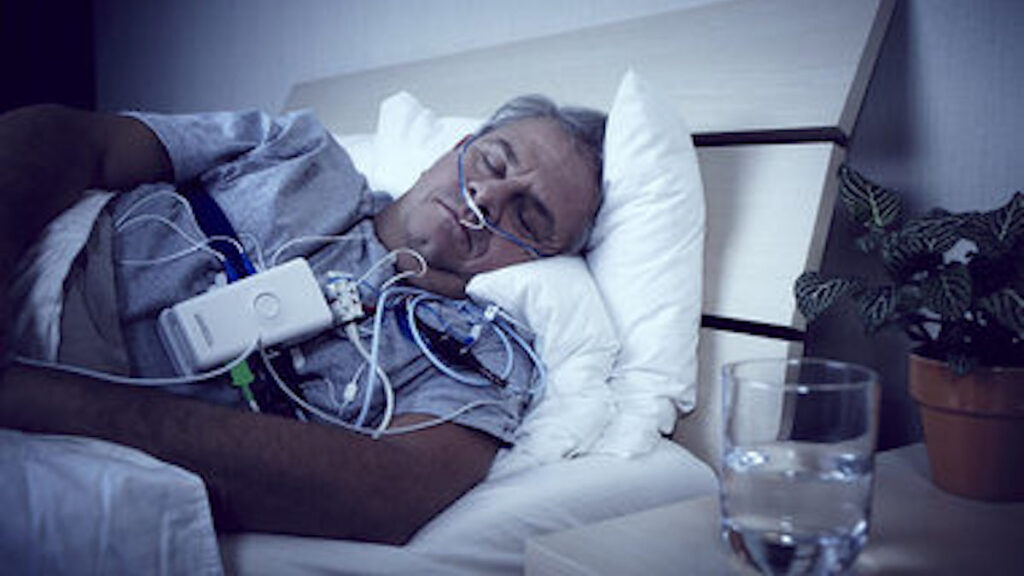
Home sleep testing is an innovative way to diagnose sleep disorders, especially obstructive sleep apnea, without the need for overnight stays in hospitals or clinics. This method uses portable sleep monitoring technology, which enables you to have a thorough sleep assessment in your own bedroom.
The process involves using a small device that you wear while sleeping. This device records various bodily functions throughout the night. Before taking the device home for your test, you will be given clear instructions on how to properly wear it.
Data Collection During Home Sleep Studies
The advanced equipment used in home sleep studies records important information about your sleep:
Breathing patterns – identifying pauses, shallow breaths, and effortful breathing
Heart rate variations – tracking changes in heart rate during sleep
Oxygen saturation levels – measuring drops in blood oxygen levels that indicate apnea episodes
Body movements – monitoring how much you move and what position you sleep in
Professional Analysis and Interpretation
Qualified Australian sleep doctors review your home sleep test Australia data using established guidelines. These experts analyze breathing events, oxygen level drops, and disruptions in sleep to determine whether sleep disorders are present and how severe they may be.
Unlike traditional polysomnography done in sleep labs, which also measures brain activity, home testing primarily focuses on breathing patterns. While lab tests provide more detailed insights into brain function, a home sleep test in Australia offers valuable, accurate, and convenient information for diagnosing obstructive sleep apnea.
Who is Eligible for Home Sleep Testing Under Medicare in Australia?
Medicare home sleep test eligibility requires specific criteria to qualify for rebates under the Medical Benefits Schedule (MBS). You must obtain a GP referral for sleep study that clearly indicates high risk for obstructive sleep apnoea (OSA). Your general practitioner will assess your symptoms and medical history before determining if you meet the necessary threshold for Medicare coverage.
The referral process typically involves completing validated screening questionnaires that help identify your risk level. The Epworth Sleepiness Scale measures your likelihood of falling asleep during daily activities, scoring your responses from 0-24. Scores above 10 generally indicate excessive daytime sleepiness warranting further investigation. Healthcare providers also utilise the STOPBANG questionnaire, which evaluates eight key risk factors:
Snoring loudly
Tiredness during the day
Observed breathing interruptions
Pressure (high blood pressure)
Body Mass Index over 35
Age over 50
Neck circumference greater than 40cm
Gender (male)
Patient selection criteria determine whether you’re suitable for home testing versus comprehensive laboratory polysomnography. You’ll typically qualify for home sleep testing if you present with uncomplicated suspected OSA without significant comorbidities. Patients with complex cardiovascular conditions, severe chronic obstructive pulmonary disease, or neuromuscular disorders usually require more detailed clinic-based studies to ensure accurate diagnosis and appropriate treatment planning.
What Are the Advantages of Home Sleep Testing Compared to Clinic-Based Studies?
The benefits of home sleep testing extend far beyond simple logistics, fundamentally transforming how Australians approach sleep disorder diagnosis. Your own bedroom becomes the diagnostic environment, eliminating the artificial setting of clinical sleep laboratories that can affect natural sleep patterns.
1. Enhanced Patient Comfort
Patient comfort reaches its peak when you sleep in familiar surroundings. Your usual pillow, mattress firmness, room temperature, and bedtime routine remain unchanged, providing more accurate representation of typical sleep behaviour. This natural environment often reveals sleep patterns that might be masked in the unfamiliar clinical setting.
2. Greater Convenience
The convenience factor eliminates multiple barriers to diagnosis. You avoid:
Overnight hospital stays requiring time off work
Travel expenses to specialised sleep centres
Childcare arrangements for overnight absences
Parking fees and urban traffic challenges
Home testing accommodates your schedule rather than clinic availability. You can conduct studies over multiple nights, capturing variations in sleep patterns that single-night laboratory studies might miss. This multi-night approach provides sleep physicians with comprehensive data for more accurate diagnosis.
3. Improved Accessibility for Regional and Remote Australians
Regional and remote Australians benefit significantly from improved accessibility. Distance no longer prevents timely diagnosis, particularly crucial given Australia’s vast geography and concentrated urban medical facilities.
4. Increased Efficiency in Healthcare System
Healthcare system efficiency improves as home testing reduces demand on limited sleep laboratory resources. This streamlined approach allows more patients to receive diagnostic services while maintaining clinical accuracy standards required by Australian sleep physicians.
How is Obstructive Sleep Apnea Diagnosed and Treated Through Home Sleep Testing?
OSA diagnosis Australia relies on specific metrics captured during home sleep studies. The diagnostic process measures critical parameters including the arousal index, which tracks sleep disruptions per hour, and oxygen desaturation events that indicate breathing interruptions. These measurements help determine the severity of sleep apnea using the Apnoea-Hypopnoea Index (AHI), where values above 15 events per hour typically indicate moderate to severe OSA requiring treatment.
Qualified Australian sleep physicians play a crucial role in interpreting your test results and developing personalised treatment recommendations. These specialists analyse the comprehensive data collected during your home study, considering factors such as:
Sleep efficiency and architecture patterns
Respiratory disturbance frequency and duration
Blood oxygen saturation levels throughout the night
Heart rate variability during sleep events
Treatment options for OSA extend beyond the traditional CPAP therapy approach. Your treatment pathway may include lifestyle modifications such as weight management, sleep position training, and alcohol reduction. CPAP therapy initiation involves carefully calibrated pressure settings determined through titration programs that can often be conducted at home using auto-adjusting devices.
The collaborative care model ensures comprehensive treatment success. Your sleep physician coordinates with dentists for oral appliance therapy, surgeons for anatomical corrections when necessary, pharmacists for medication management, and GPs for ongoing health monitoring. This multidisciplinary approach addresses the complex nature of sleep apnea while maintaining the convenience that makes Home Sleep Testing in Australia: A Convenient Alternative to Clinics increasingly popular among patients seeking effective OSA management. You may like to visit https://keyfutura.net/sleep-apnea-test-canberra-early-diagnosis-and-treatment-options/ to get more about Sleep Apnea Test Canberra: Early Diagnosis and Treatment Options.
What Role Does Air Liquide Healthcare Play in Facilitating Home Sleep Testing in Australia?
Air Liquide Healthcare sleep solutions is Australia’s largest provider of home sleep apnoea studies and therapy, changing the way patients receive care for sleep disorders across the country. This healthcare leader has transformed the traditional method of sleep medicine by developing comprehensive pathways that remove many obstacles patients used to face.
The company’s integrated OSA management Australia model offers a complete solution that covers every step of the patient journey. From initial home-based sleep studies to ongoing therapy management, Air Liquide Healthcare oversees the entire process in one place. Their non-invasive recording technology gathers important sleep information in patients’ homes, while qualified sleep doctors confirm diagnoses and treatment suggestions.
Strategic Partnerships with Leading CPAP Manufacturers
Air Liquide Healthcare has formed strategic partnerships with leading CPAP equipment manufacturers as part of their extensive network. This ensures that patients have access to the most advanced therapeutic technologies available.
Some of the key CPAP manufacturers they collaborate with include:
ResMed
Philips Respironics
Fisher & Paykel Healthcare
By working closely with these industry leaders, Air Liquide Healthcare can offer patients the latest innovations in sleep apnea treatment, such as advanced CPAP devices and integrated humidification systems.
Multi-Brand Strategy for Diverse Patient Populations
In addition to their partnerships with CPAP manufacturers, Air Liquide Healthcare also operates through multiple established sleep brands. This multi-brand approach allows them to better serve diverse patient populations across both urban and regional areas.
Some of the established sleep brands under Air Liquide Healthcare include:
SNORE Australia
Healthy Sleep Solutions
Mycroft
Complete Care
Sleep Disorder Australia (SDCA)
Each brand within this portfolio has its own unique strengths and expertise, enabling Air Liquide Healthcare to tailor their services to meet the specific needs of different patient groups.
Structured Support Programs for CPAP Therapy Initiation
To ensure successful initiation of CPAP therapy, Air Liquide Healthcare has implemented structured support programs for patients starting treatment. These programs provide guidance on proper device usage, troubleshooting common issues, and establishing healthy sleep habits.
By offering personalised support during this critical phase, Air Liquide Healthcare aims to improve patient adherence to CPAP therapy and maximise treatment outcomes.
Continuity of Care through Regular Check-Ups
Maintaining continuity of care is essential for long-term success in managing sleep disorders. Air Liquide Healthcare understands this importance and conducts regular check-ups with patients as part of their ongoing therapy guidance.
During these check-ups, healthcare professionals assess the effectiveness of CPAP therapy, address any concerns or challenges faced by patients, and make necessary adjustments to treatment plans if required.
This proactive approach ensures that patients remain engaged throughout their treatment journey and receive optimal care at every stage.
Are There Limitations or Cases Where Home Sleep Testing May Not Be Suitable?
While home sleep testing offers significant advantages, limitations of home sleep testing become apparent when dealing with certain medical conditions that require more comprehensive monitoring. Sleep physicians carefully evaluate each patient to determine the most appropriate diagnostic approach.
Complex sleep disorders diagnosis, such as REM sleep behaviour disorder, necessitates the detailed monitoring capabilities only available through laboratory-based polysomnography. Patients with the following conditions typically require in-clinic studies:
Severe COPD – requires continuous monitoring of respiratory mechanics and gas exchange patterns
Neuromuscular diseases – need assessment of respiratory muscle function and central nervous system involvement
Morbid obesity with resting hypoxia – demands comprehensive cardiopulmonary monitoring during sleep
The simplified monitoring approach of home sleep testing may miss subtle but clinically significant findings in these populations. Sleep physicians must also consider patients with suspected central sleep apnoea, periodic limb movement disorder, or those needing comprehensive brain wave monitoring available only in sleep laboratories.
Appropriate patient selection remains crucial for diagnostic accuracy. Australian sleep physicians use established clinical guidelines to identify candidates who will benefit most from home testing whilst ensuring those with complex presentations receive the comprehensive evaluation they require. This careful screening process maintains the reliability and clinical validity of home sleep testing results. You may like to visit https://pmc.ncbi.nlm.nih.gov/articles/PMC6699256/ to get about Can We Use Home Sleep Testing for the Evaluation of Sleep Apnea in Obese Pregnant Women?
How Does Home Sleep Testing Improve Access to Care Across Australia?
Home Sleep Testing in Australia: A Convenient Alternative to Clinics
Home Sleep Testing in Australia is transforming healthcare delivery by eliminating geographical barriers that traditionally prevent Australians from receiving timely sleep disorder diagnoses. You no longer need to travel hundreds of kilometres to reach specialised sleep clinics, particularly beneficial for patients in regional and remote areas where hospital availability remains limited.
The convenience of conducting studies in your own home accelerates the diagnostic timeline significantly. Traditional clinic-based sleep studies often involve waiting lists spanning several months, whilst home sleep testing can typically be arranged within weeks. This increased early diagnosis enables healthcare providers to implement treatment strategies before sleep apnoea complications develop, reducing long-term health risks and associated healthcare costs.
How Home Sleep Testing Expands Access to Care
Increased Early Diagnosis: Home Sleep Testing allows for quicker diagnoses, enabling healthcare providers to start treatment before complications arise.
Affordable Treatment Options: Private health insurers now cover CPAP therapy under specific packages, making treatment more affordable for diagnosed patients.
Cost-Effective Solutions: Medicare rebates for qualifying home sleep studies reduce out-of-pocket expenses, ensuring cost doesn’t become a barrier to diagnosis.
Consistent Service Delivery: Air Liquide Healthcare’s extensive network ensures consistent service delivery across metropolitan and regional locations.
Equity in Healthcare Access
Home Sleep Testing programs particularly benefit regional healthcare accessibility. With brands like SNORE Australia and Healthy Sleep Solutions under Air Liquide Healthcare’s umbrella, you can access the same quality diagnostic services whether you live in Sydney’s CBD or rural Queensland. This creates equity in healthcare access that traditional clinic-based models struggled to achieve.
Is Home Sleep Testing the Future of Patient-Centred Diagnostics in Australia?
Home sleep testing Australia represents a significant shift towards patient-centred healthcare delivery. This innovative approach transforms how Australians access sleep disorder diagnostics by placing convenience and comfort at the forefront of medical care.
The future of home sleep testing Australia lies in its ability to deliver clinical-grade results whilst eliminating traditional barriers. You can now receive accurate sleep apnea diagnosis without compromising your natural sleep environment or daily routine. This technology demonstrates comparable diagnostic accuracy to laboratory-based polysomnography for detecting obstructive sleep apnea in appropriate candidates.
Reduced anxiety from sleeping in familiar surroundings
Elimination of travel costs and time away from work
Multiple night testing capability for enhanced diagnostic reliability
Faster treatment initiation through streamlined pathways
Who Benefits Most from Home Sleep Testing?
Healthcare accessibility reaches new heights through home-based diagnostics. Regional Australians particularly benefit from this technology, accessing specialist sleep medicine services previously limited to metropolitan areas. The integration of Medicare coverage and private health insurance support creates affordable pathways for comprehensive sleep disorder management.
If you’re experiencing symptoms of obstructive sleep apnea, Home Sleep Testing in Australia: A Convenient Alternative to Clinics offers you a practical solution. Speak with your GP about eligibility for home sleep testing and take the first step towards better sleep health through this patient-centred diagnostic approach.
Sleep disorders can have a significant impact on your health, affecting your daily routine, energy levels, and overall well-being. If you experience persistent sleep issues, sleep testing Melbourne can help identify underlying conditions such as sleep apnea, insomnia, or restless leg syndrome. With advanced diagnostic procedures and expert assessments, you can find the right treatment to improve your sleep quality.
What Is Sleep Testing & Why Is It Important?
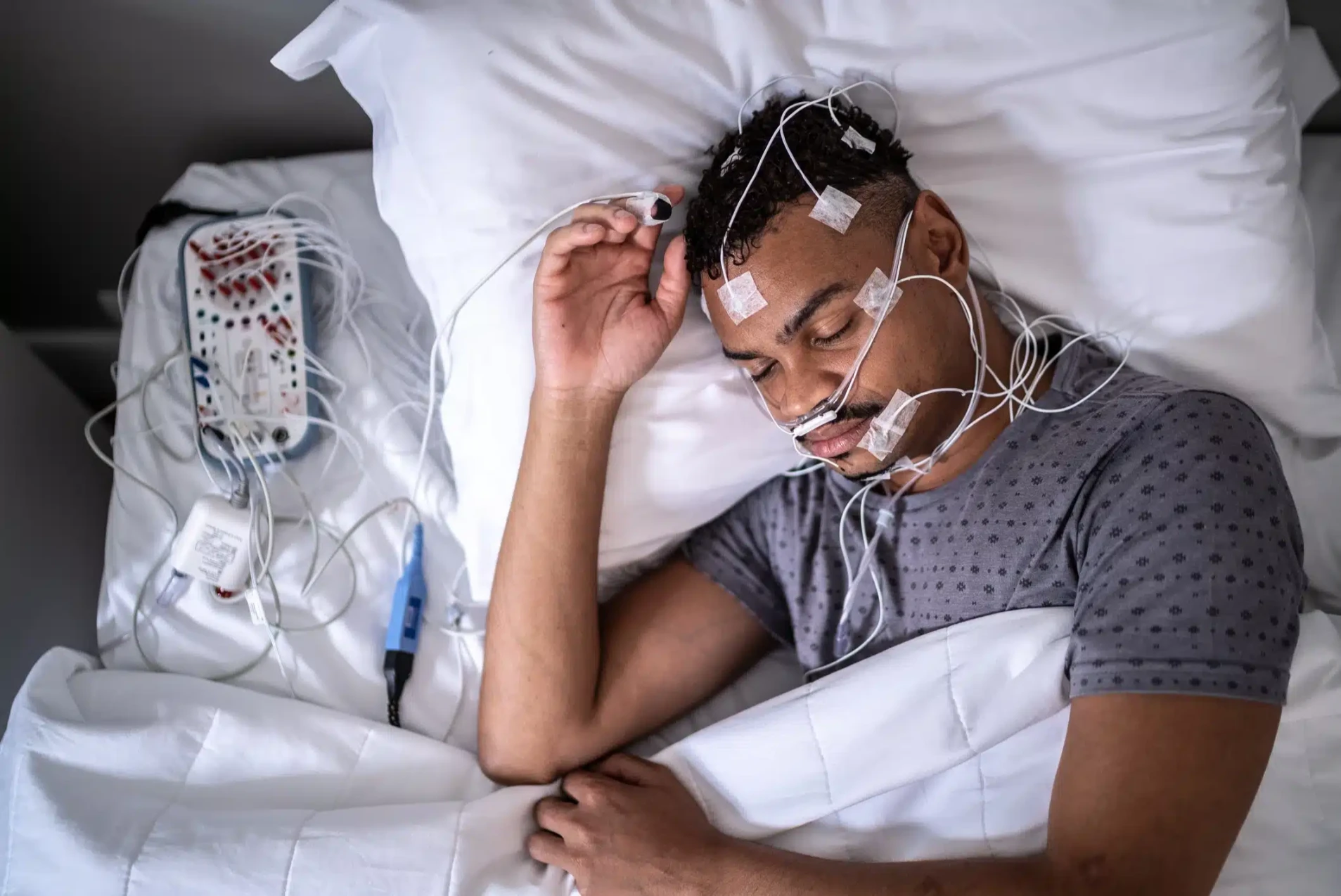
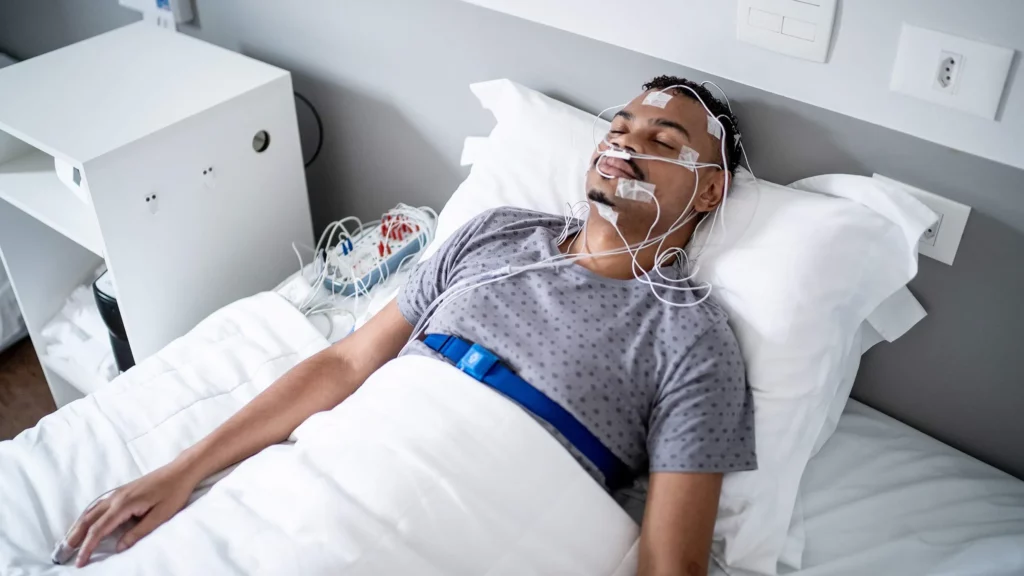
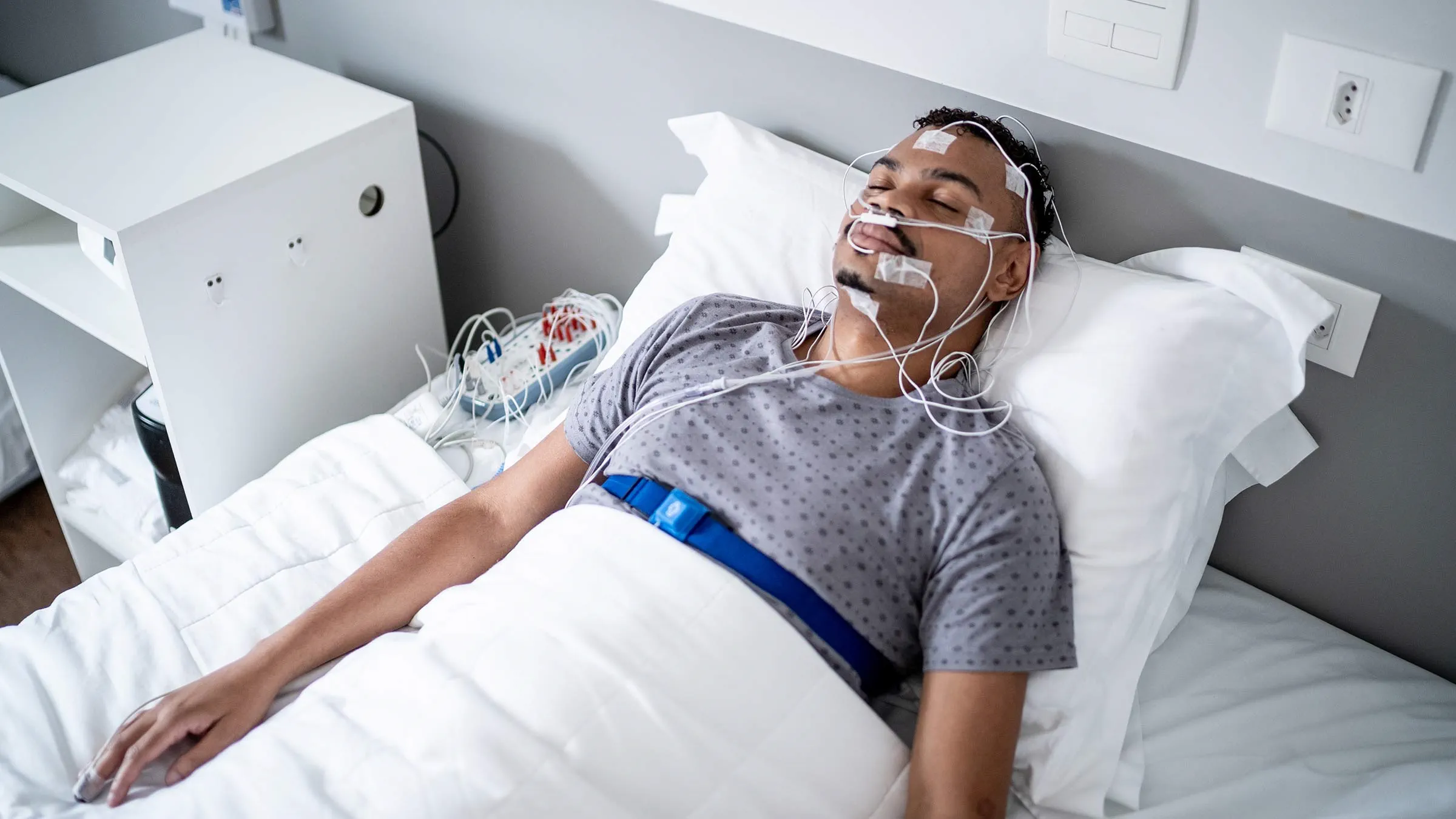
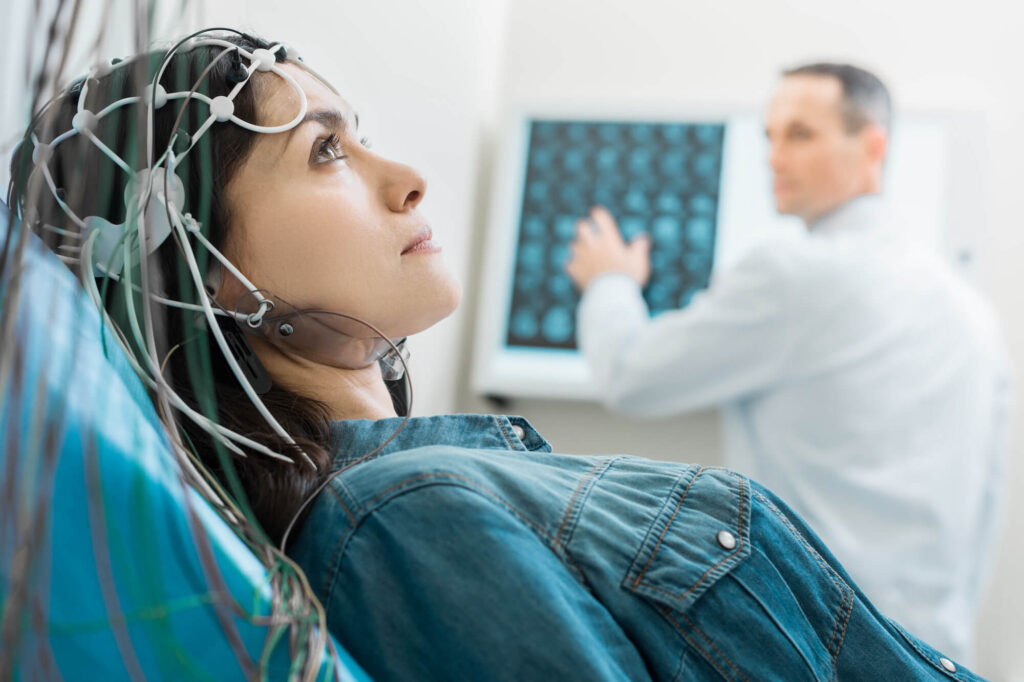
Sleep testing, also known as polysomnography, is a diagnostic tool used to monitor various physiological activities during sleep. It assesses brain activity, breathing patterns, oxygen levels, heart rate, and body movements. The results help medical professionals diagnose sleep disorders and recommend appropriate treatments. Sleep testing Melbourne is widely available, offering both in-lab and home-based options to suit individual needs.
Types of Sleep Tests Available in Melbourne
In-Lab Sleep Studies – Conducted at specialized sleep clinics, these tests provide a detailed analysis of sleep patterns and disorders.
Home Sleep Apnea Testing (HSAT) – A convenient option for patients suspected of having sleep apnea, allowing testing in a familiar environment.
Multiple Sleep Latency Test (MSLT) – Used to diagnose narcolepsy and excessive daytime sleepiness.
Maintenance of Wakefulness Test (MWT) – Assesses the ability to stay awake and alert during the day.
Signs That You Need Sleep Testing
Many individuals suffer from sleep disorders without realizing the severity of their condition. If you experience any of the following symptoms, sleep testing Melbourne may be necessary:
Loud and persistent snoring
Waking up gasping for air
Chronic daytime fatigue
Difficulty concentrating
Frequent headaches in the morning
Insomnia or restless sleep
Unexplained mood changes
Best Sleep Testing Clinics in Melbourne
Finding the right sleep clinic is essential for accurate diagnosis and effective treatment. Here are some of the top-rated sleep clinics in Melbourne:
1. Melbourne Sleep Disorders Centre
Specializes in the diagnosis and treatment of various sleep disorders.
Offers both in-lab and home sleep testing.
Provides expert consultations with sleep specialists.
2. Monash Health Sleep Centre
Affiliated with Monash University, ensuring evidence-based treatments.
Conducts comprehensive polysomnography and CPAP therapy.
Accepts referrals from general practitioners and specialists.
3. Austin Health Sleep Laboratory
One of the leading sleep assessment centers in Melbourne.
Offers MSLT, MWT, and sleep apnea testing.
Focuses on patient-centered treatment plans.
4. The Epworth Sleep Centre
Provides cutting-edge sleep diagnostic services.
Specializes in complex sleep apnea and insomnia management.
Offers telehealth consultations for follow-up assessments.
Home vs. In-Lab Sleep Testing: Which One Is Right for You?
Depending on the severity of symptoms, your healthcare provider may recommend either an in-lab sleep study or a home-based test. Here’s a comparison to help you decide:
Feature
Home Sleep Test
In-Lab Sleep Study
Convenience
Conducted at home
Requires overnight stay
Cost
More affordable
Higher due to advanced monitoring
Accuracy
Good for diagnosing sleep apnea
Comprehensive analysis of multiple disorders
Supervision
Minimal supervision
Continuous monitoring by specialists
If you suspect obstructive sleep apnea (OSA) or a severe sleep disorder, an in-lab study is recommended for more precise results.
Treatment Options After Sleep Testing
Once your sleep testing in Melbourne is completed, a specialist will review the results and suggest suitable treatments. Some common treatment options include:
Improves sleep quality and reduces daytime fatigue.
2. Lifestyle Changes
Weight management and regular exercise.
Avoiding alcohol and sedatives before bed.
Establishing a consistent sleep routine.
3. Cognitive Behavioral Therapy for Insomnia (CBT-I)
A structured program to help individuals with chronic insomnia.
Focuses on modifying behaviors that disrupt sleep.
Provided by trained therapists and sleep specialists.
4. Oral Appliances
Suitable for mild to moderate sleep apnea.
Custom-fitted devices help keep the airway open.
Recommended by sleep dentists or specialists.
How to Prepare for a Sleep Test
Proper preparation ensures accurate test results. Before undergoing sleep testing in Melbourne, follow these guidelines:
Avoid caffeine and alcohol on the day of the test.
Stick to your usual sleep schedule.
Bring comfortable sleepwear and personal items if undergoing an in-lab study.
Discuss any medications with your doctor as some may interfere with test results.
Cost & Insurance Coverage for Sleep Testing in Melbourne
The cost of sleep testing Melbourne varies depending on the type of test and the clinic. Here’s what you need to know:
Home sleep tests are generally more affordable, ranging from $200 to $500.
In-lab sleep studies can cost between $800 and $1,500.
Medicare and private health insurance may cover part of the cost, depending on eligibility and referrals.
Some clinics offer bulk billing options for eligible patients.
Conclusion
Getting a sleep test in Melbourne is essential for diagnosing and managing sleep disorders effectively. Whether you opt for an in-lab sleep study or a home-based test, seeking professional guidance will help improve your sleep health. Don’t ignore persistent sleep issues—consult a specialist and take the necessary steps toward better rest and well-being.
If you’re looking for expert assessment and treatment, explore your options for sleep testing Melbourne and take charge of your sleep health today.