
Understanding COMISA: The Deadly Intersection of Insomnia and Sleep Apnea
For decades, the medical community treated insomnia and Obstructive Sleep Apnea (OSA) as two distinct, separate silos. If you couldn’t fall asleep, you had insomnia. If you stopped breathing during the night, you had apnea.
However, groundbreaking research from Yale University in early 2026 has solidified a terrifying reality: when these two conditions coexist, they form a clinical powerhouse known as COMISA (Comorbid Insomnia and Sleep Apnea).
In Australia, where sleep disorders cost the economy billions annually, COMISA is no longer just a sleep issue—it is being classified as a “Heart Health Emergency.” If you are battling both, treating only one is like bailing water from a leaking boat while ignoring the second hole in the hull.
See more: Can Weight Loss Really Cure Sleep Apnea? Here’s What Experts Say
What is COMISA? A Core Definition
COMISA stands for Comorbid Insomnia and Sleep Apnea. It is the simultaneous occurrence of Obstructive Sleep Apnea—characterized by physical airway obstructions—and Insomnia, characterized by difficulty falling or staying asleep despite the opportunity for rest.
The Yale 2026 Breakthrough
The recent Yale study highlighted that COMISA isn’t just “unfortunate timing.” The two conditions feed into a vicious physiological cycle:
- Apnea triggers Insomnia: Gasps for air (apneas) cause “micro-arousals” that the brain interprets as a threat, leading to hyperarousal and chronic insomnia.
- Insomnia worsens Apnea: Sleep deprivation lowers the threshold for airway collapse and makes the patient more sensitive to breathing interruptions, making CPAP therapy harder to tolerate.
Why COMISA is a “Heart Health Emergency”
The reason cardiologists and sleep specialists are sounding the alarm in 2026 is the cumulative strain COMISA places on the cardiovascular system.
1. The Sympathetic “Storm”
Normally, your blood pressure drops during sleep (dipping). In COMISA patients, the body stays in a state of “fight or flight.” Every time an apnea occurs, the brain spikes adrenaline to wake the body up to breathe. When combined with the hyperarousal of insomnia, the heart never gets a break.
2. Inflammation and Oxidative Stress
The repeated oxygen desaturation from apnea combined with the systemic inflammation caused by chronic insomnia creates a “perfect storm” for arterial plaque buildup and heart rhythm irregularities.
3. Increased Risk of Mortality
Recent Australian clinical data suggests that individuals with COMISA have a 50-70% higher risk of cardiovascular-related mortality compared to those with either condition alone.
| Condition | Cardiovascular Strain | Mortality Risk Increase |
| Insomnia Only | Moderate (High Cortisol) | ~10-15% |
| Sleep Apnea Only | High (Oxygen Deprivation) | ~30% |
| COMISA | Extreme (Combined Stress) | Up to 70% |
The “Leaky Boat” Analogy: Why Singular Treatment Fails
Treating COMISA requires a bidirectional approach. Many patients in Australia are diagnosed with sleep apnea and handed a CPAP machine, only to find they cannot use it because their insomnia makes the sensation of the mask unbearable.
- If you treat only Apnea: The patient still lies awake for hours, frustrated by the mask, leading to “CPAP rejection.”
- If you treat only Insomnia: The sedatives used to help the patient sleep may actually relax the throat muscles further, worsening the underlying apnea and increasing the risk of a nocturnal cardiac event.
You must plug both holes in the boat simultaneously to stay afloat.
Symptoms and Red Flags of COMISA
Recognizing COMISA is difficult because the symptoms often overlap. However, specific indicators suggest you are dealing with the comorbid version:
- Difficulty initiating sleep despite feeling “exhausted to the bone.”
- Waking up gasping or choking in the middle of the night.
- High “Sleep-Related Anxiety,” specifically regarding the use of a CPAP machine.
- Severe daytime fatigue that does not improve even after a “full” night of sleep.
- Frequent nocturia (waking up to urinate), which is a common sign of both heart strain and apnea.
The COMISA Treatment Framework: A Step-by-Step Process
Modern sleep clinics in Australia are now adopting a “COMISA-First” protocol. Here is the best-practice framework for recovery:
Step 1: Integrated Diagnosis
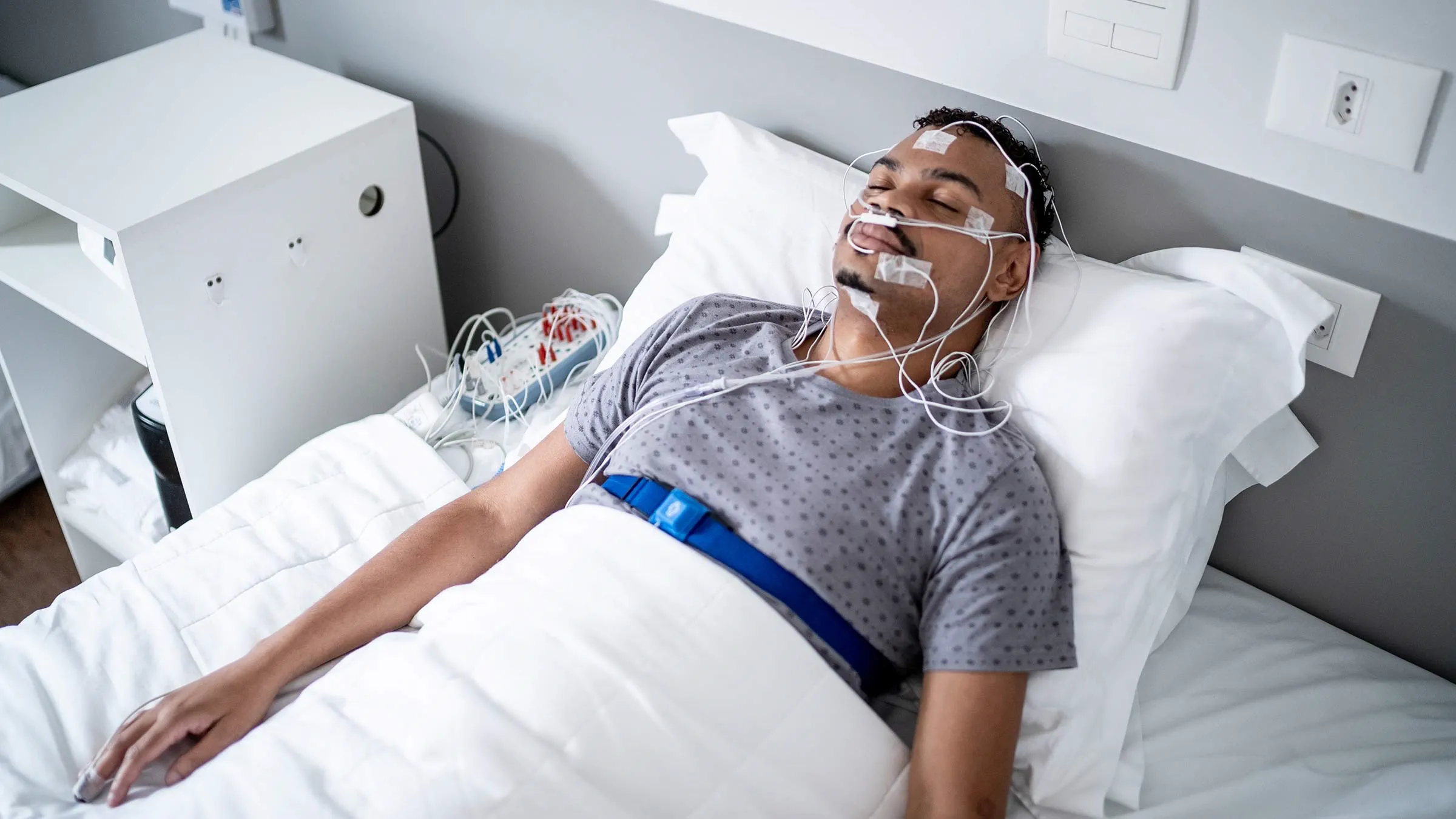
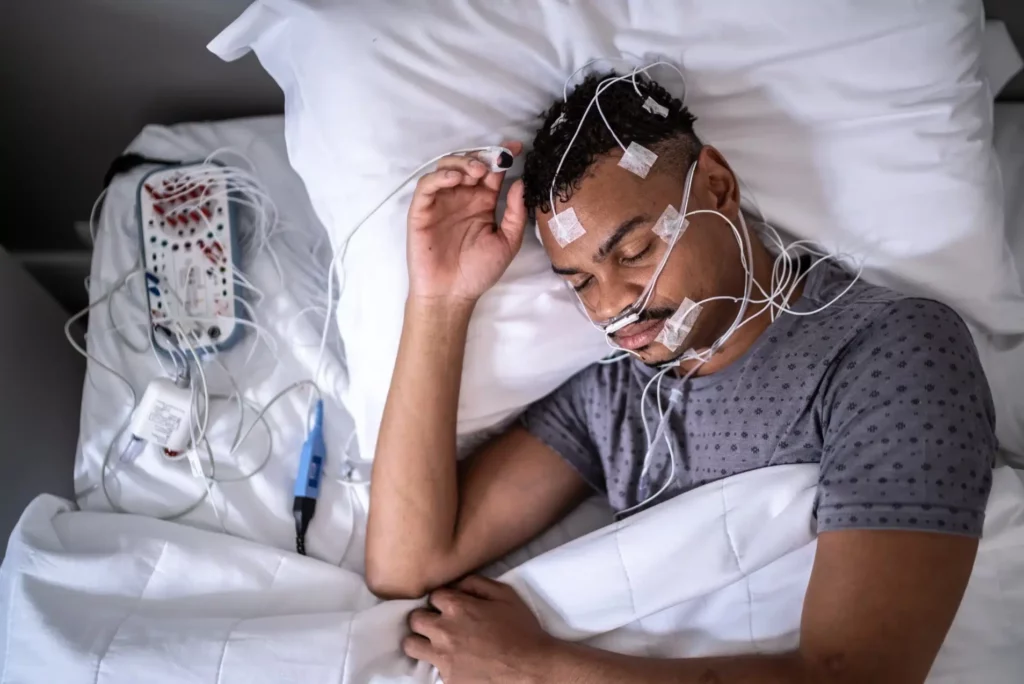
Instead of a simple home sleep test, COMISA patients often require a full Polysomnography (PSG) combined with a psychological insomnia assessment (ISI – Insomnia Severity Index).
Step 2: CBT-i (The Gold Standard)
Cognitive Behavioral Therapy for Insomnia (CBT-i) is often recommended before or alongside CPAP initiation. By reducing sleep anxiety and hyperarousal, the patient is much more likely to tolerate physical apnea treatments.
Step 3: Adaptive CPAP or MAD Therapy
Once the “insomnia brain” is calmed, the “apnea airway” can be addressed. This might involve:
- APAP (Auto-Adjusting Pressure): Gentler for sensitive sleepers.
- Mandibular Advancement Devices (MAD): For those who cannot tolerate masks.
Step 4: Lifestyle and Anti-Inflammatory Support
Given the “Heart Health Emergency” status, specialists now include heart-specific interventions:
- Magnesium Supplementation: To support muscle relaxation and heart rhythm.
- Positional Therapy: Using devices to prevent sleeping on the back.
Common Mistakes in COMISA Management
- Relying Solely on Sleeping Pills: Medications like benzodiazepines can depress respiration, making apnea episodes longer and more dangerous.
- Ignoring the “Toss and Turn”: If you are awake in bed for more than 20 minutes with a CPAP mask on, you are conditioning your brain to hate the treatment.
- Assuming it’s “Just Stress”: Many Australians dismiss COMISA as work stress, ignoring the physical gasping that signals a structural airway issue.
FAQ: Frequently Asked Questions about COMISA
What is the difference between COMISA and regular sleep apnea?
COMISA is the presence of both insomnia and sleep apnea. Regular sleep apnea patients usually fall asleep quickly but have poor quality sleep, whereas COMISA patients struggle to fall asleep and have interrupted breathing once they do.
Is COMISA permanent?
No. With a dual-treatment approach (CBT-i and CPAP/Oral appliances), the symptoms can be managed, and the cardiovascular risk can be significantly reduced.
Why is Yale’s 2026 research significant?
The 2026 research provided the first definitive link showing that COMISA triggers a specific “inflammatory signature” in the blood that is significantly more aggressive than what is found in patients with only one of the conditions.
Can weight loss cure COMISA?
Weight loss can significantly improve sleep apnea, but it rarely cures the “hyperarousal” component of chronic insomnia. Both need targeted treatment.
Is COMISA common in Australia?
Yes. It is estimated that up to 30-40% of patients seeking help for sleep apnea also meet the clinical criteria for insomnia.
Conclusion: Take the Emergency Seriously
COMISA is not just a “bad night’s sleep.” It is a complex, multi-systemic condition that places your heart under immense pressure. As the 2026 Yale research suggests, we can no longer afford to treat these conditions in isolation.
If you are struggling to stay asleep and find yourself gasping for air or dreading your CPAP machine, you may be dealing with COMISA. Addressing this “Heart Health Emergency” today is the only way to prevent long-term cardiovascular damage.
Next Steps:
- Consult a Sleep Specialist: Ask specifically for a COMISA-informed assessment.
- Internal Link Suggestion: The Role of CBT-i in Cardiac Recovery
- Internal Link Suggestion: Advanced CPAP Troubleshooting for Sensitive Sleepers
External References:
- The Yale Journal of Biology and Medicine (2026 Sleep Study Edition)
- Sleep Health Foundation Australia: COMISA Management Guidelines